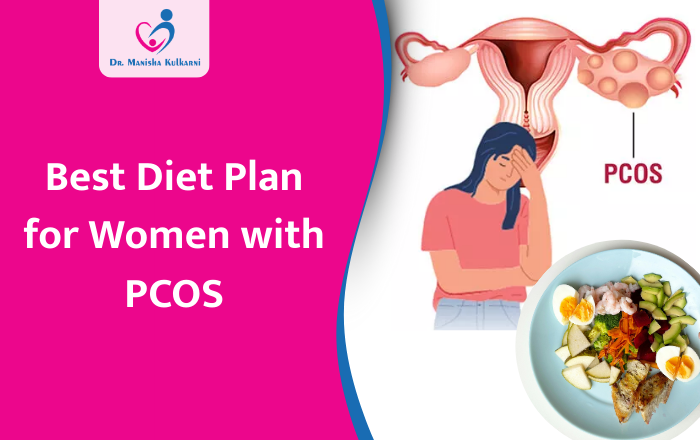
If you’ve been diagnosed with PCOS, you’ve probably heard conflicting advice about what to eat and what to avoid. The truth is, the best diet plan for women with PCOS isn’t about extreme restrictions—it’s about making smart, sustainable food choices that help balance your hormones and improve your quality of life. PCOS affects 1 in 10 women of reproductive age, causing irregular periods, weight gain, acne, and fertility challenges. While there’s no instant cure, research shows that dietary changes can reduce symptoms by up to 50%. Let’s explore how you can take control of your health through simple, practical eating strategies. What is PCOS and Why Does Diet Matter? Polycystic Ovary Syndrome (PCOS) is a hormonal disorder that affects how your ovaries function. Common symptoms include irregular menstrual cycles, excess facial hair, stubborn belly fat, and difficulty getting pregnant. The connection between food and PCOS lies in insulin resistance. About 70% of women with PCOS struggle with insulin resistance, meaning their bodies can’t use insulin effectively. This leads to higher blood sugar levels, increased inflammation, and hormonal imbalances that worsen PCOS symptoms. A proper PCOS diet plan helps manage insulin levels, reduces inflammation, and supports hormonal balance. Even losing just 5-10% of your body weight can dramatically improve symptoms and restore regular periods. The Core Principles of a PCOS-Friendly Diet Focus on Low Glycemic Index Foods Low-GI foods release sugar slowly into your bloodstream, preventing insulin spikes. The best diet plan for PCOS includes plenty of: Whole grains like brown rice, quinoa, and oats Legumes such as lentils, chickpeas, and black beans Sweet potatoes and vegetables Most fruits except very sweet varieties These foods keep your blood sugar stable and help manage insulin resistance, which is crucial for PCOS management. Include Anti-Inflammatory Foods Daily Chronic inflammation worsens PCOS symptoms. Fight back by eating: Fatty fish rich in omega-3s (salmon, mackerel, sardines) Colorful vegetables like spinach, broccoli, and bell peppers Berries packed with antioxidants Turmeric and ginger for natural anti-inflammatory benefits Nuts and seeds for healthy fats Balance Your Protein, Carbs, and Fats A balanced plate helps stabilize blood sugar. Aim for: 40% complex carbohydrates 30% lean protein 30% healthy fats Protein at every meal is especially important for women with PCOS because it slows down sugar absorption and keeps you feeling full longer. Best Foods to Include in Your PCOS Diet Plan Lean Proteins: Eggs, chicken, turkey, fish, tofu, Greek yogurt (unsweetened), and legumes help build muscle and balance hormones. Healthy Fats: Avocados, olive oil, nuts (almonds, walnuts), seeds (chia, flax, pumpkin), and fatty fish support hormone production and reduce inflammation. Fiber-Rich Foods: Vegetables, whole grains, beans, and fruits improve digestion and insulin sensitivity. Aim for 25-30 grams of fiber daily. Smart Carbs: Choose quinoa, brown rice, sweet potatoes, and steel-cut oats instead of white bread or white rice. Foods to Avoid with PCOS Refined Carbohydrates: White bread, pasta, pastries, and cookies cause rapid blood sugar spikes that worsen insulin resistance. Sugary Drinks: Sodas, packaged juices, and sweetened coffee drinks add empty calories and trigger insulin problems. Fried and Processed Foods: These contain trans fats and inflammatory compounds that aggravate PCOS symptoms. Excessive Dairy: Some women find that reducing dairy improves acne and hormonal balance. Try eliminating it for 4 weeks to see if symptoms improve. Red and Processed Meats: These increase inflammation. Choose fish and poultry instead. Sample Day on a PCOS Diet Breakfast: Scrambled eggs with spinach and mushrooms + 1 slice whole grain toast Mid-Morning Snack: Apple slices with almond butter Lunch: Grilled chicken salad with mixed greens, cucumbers, tomatoes, and olive oil dressing Evening Snack: A handful of walnuts or unsweetened Greek yogurt with berries Dinner: Baked salmon with roasted broccoli and quinoa This sample menu shows how a diet plan for PCOS can be delicious and satisfying without feeling restrictive. Lifestyle Changes That Support Your Diet – Exercise Regularly: Aim for 30 minutes of moderate activity most days. Walking, swimming, yoga, and strength training all help improve insulin sensitivity and manage weight. – Prioritize Sleep: Getting 7-9 hours of quality sleep helps regulate hormones like cortisol and insulin, which directly impact PCOS symptoms. – Manage Stress: Chronic stress raises cortisol levels and worsens hormonal imbalances. Try meditation, deep breathing, or journaling to reduce stress. – Stay Hydrated: Drink 8-10 glasses of water daily to support metabolism and hormone detoxification. When to See a Doctor While dietary changes for PCOS can work wonders, some women need additional medical support. Consult a gynaecologist if you experience: Irregular periods lasting longer than 35 days Difficulty conceiving after 6-12 months of trying Severe acne or excessive hair growth Rapid weight gain despite healthy eating Symptoms of insulin resistance or diabetes Get the Right Support for Your PCOS Journey Managing PCOS requires patience and sometimes professional guidance. If you’re in Pune and struggling with PCOS symptoms, Dr. Manisha Kulkarni, Gynaecologist for PCOS treatment in Magarpatta, Pune, can help you create a treatment plan that works for your body and lifestyle. Dr. Kulkarni offers hormone evaluations, nutritional guidance, fertility support, and medical treatments tailored to your specific needs. Don’t let PCOS control your life—take action today. Book your consultation with Dr. Manisha Kulkarniin Magarpatta, Pune, and start your journey toward better hormonal health. Frequently Asked Questions Q1. Can I reverse PCOS with diet alone? While PCOS is a lifelong condition, many women successfully manage symptoms through diet and lifestyle changes. Some even restore regular ovulation naturally. Q2. How long before I see results? Most women notice improved energy within 2-4 weeks. Hormonal balance and regular periods may take 3-6 months of consistent healthy eating. Q3. Can I eat carbs with PCOS? Yes! Choose complex carbs like quinoa, brown rice, and sweet potatoes. Avoid refined carbs and always pair carbs with protein or healthy fats. Q4. Is intermittent fasting good for PCOS? It can help some women with insulin resistance, but it’s not suitable for everyone, especially those trying to conceive. Consult your doctor first. Q5. What supplements help PCOS? Inositol,
