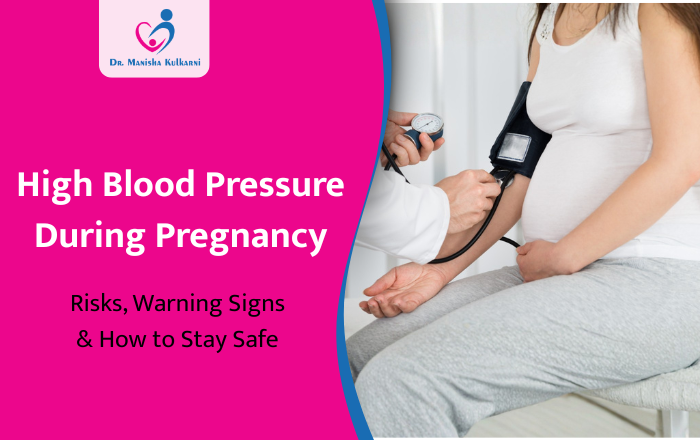
Pregnancy brings so much joy — but it also brings questions, worries, and sometimes unexpected health challenges. One of the most common — and most serious — is high blood pressure during pregnancy. If your doctor has mentioned your BP is elevated, or if you’re simply trying to understand what to watch out for, you’re in the right place. This guide breaks it all down in plain, simple language — no medical jargon, no unnecessary panic.
What Is High Blood Pressure During Pregnancy?
High blood pressure during pregnancy means your blood pressure reads consistently at 140/90 mmHg or higher. It affects roughly 1 in 10 pregnancies worldwide and is one of the leading causes of complications for both mother and baby.
There are a few different types:
- Gestational hypertension — develops after 20 weeks, usually resolves after delivery
- Chronic hypertension — existed before pregnancy
- Preeclampsia — high BP combined with protein in urine or signs of organ stress. This is the most serious form and needs immediate attention.
Warning Signs You Should Never Ignore
Pregnancy-induced hypertension often has no symptoms — which makes it dangerous. But when signs do appear, act fast:
- Sudden, severe headaches
- Blurred vision or seeing flashing lights
- Swelling in the face, hands, or feet
- Pain in the upper right abdomen
- Shortness of breath
If you experience any of these, contact your doctor immediately — do not wait.
Why Does It Happen? Common Risk Factors
No single cause explains every case of hypertension in pregnancy, but these factors raise your risk:
- First-time pregnancy
- Age under 20 or over 35
- Carrying twins or multiples
- Pre-existing diabetes, kidney disease, or obesity
- Family history of preeclampsia
- Previous high blood pressure in pregnancy
What Are the Real Risks — For You and Your Baby?
This is the part most women want to understand fully, and rightly so.
For the mother:
- Preeclampsia can progress to eclampsia (seizures) — a medical emergency
- Damage to kidneys, liver, or heart
- Increased risk of stroke
- Placental abruption — where the placenta detaches too early
For the baby:
- Premature birth
- Low birth weight due to restricted blood flow through the placenta
- Intrauterine Growth Restriction (IUGR)
- In severe unmanaged cases — stillbirth
These risks sound frightening — and they should be taken seriously. But the critical point is this: with early detection and proper management of hypertension in pregnancy, most mothers and babies do absolutely fine.
How Is It Diagnosed?
Diagnosis is straightforward — which is exactly why you should never skip a prenatal appointment.
Your doctor will check:
- Blood pressure at every visit
- Urine tests for protein (a key sign of preeclampsia)
- Blood tests for kidney and liver function
- Ultrasound and Doppler scans to monitor baby’s growth and blood flow
A reading of 160/110 mmHg or higher is a medical emergency. Get to a hospital immediately.
How to Manage High Blood Pressure During Pregnancy
Medical Treatment
Your doctor may prescribe pregnancy-safe BP medications such as Labetalol, Methyldopa, or Nifedipine. These are proven safe for mother and baby when used correctly.
Never self-medicate or stop your prescribed medicines without consulting your doctor.
In severe cases of pregnancy hypertension, Magnesium Sulfate is given to prevent seizures.
Simple Lifestyle Changes That Help
While medication often plays a key role, these everyday habits genuinely support blood pressure management during pregnancy:
- Rest properly — physical rest lowers BP significantly
- Sleep on your left side — improves blood flow to the heart and kidneys
- Reduce salt intake — avoid packaged, processed, and salty foods
- Eat fresh — include bananas, leafy greens, sweet potatoes, and whole grains
- Stay hydrated — dehydration can spike your BP
- Light walking or prenatal yoga — only with your doctor’s approval
- Monitor BP at home — keep a daily log and share it with your doctor
- Avoid smoking and alcohol completely
Can It Be Prevented?
Not always — but these steps can meaningfully lower your risk:
- Low-dose aspirin from around 12 weeks (for high-risk women, as advised by your doctor) — studies show it reduces preeclampsia risk by up to 24%
- Calcium supplements if your diet is low in dairy
- Keeping pre-existing conditions like diabetes in check before conceiving
- Starting prenatal care early — especially if you have risk factors
FAQs About High Blood Pressure During Pregnancy
Q1. Can high BP harm my baby?
Yes, if unmanaged, it reduces blood flow through the placenta, limiting oxygen to your baby. With good care, most babies are born healthy.
Q2. Will BP return to normal after delivery?
For most women with gestational hypertension, yes — usually within 6 weeks. Women with chronic hypertension will need continued monitoring.
Q3. What foods should I avoid?
Reduce salt, pickles, processed snacks, and caffeine. Focus on fresh, home-cooked meals.
Q4. Is preeclampsia the same as high BP in pregnancy?
No. Preeclampsia is a specific condition — high BP plus organ involvement. Not all pregnancy hypertension is preeclampsia, but it must always be ruled out.
See a Specialist — Your Baby Can’t Wait
High blood pressure during pregnancy is not something to manage with Google searches or delayed appointments. It needs consistent monitoring, the right treatment, and a doctor who takes your concerns seriously.
Consult Dr. Manisha Kulkarni — Obstetrician & Gynaecologist, Magarpatta ,Hadapsar
If you’re dealing with high blood pressure in pregnancy, or have been told yours is a high-risk pregnancy, Dr. Manisha Kulkarni is the right doctor to see.
Based in Magarpatta and Hadapsar, Pune, Dr. Kulkarni has years of experience managing pregnancy-induced hypertension, preeclampsia, and other complex pregnancy conditions. She is known for listening carefully, explaining clearly, and helping mothers feel confident and cared for at every stage.
📍 Located in Magarpatta / Hadapsar, Pune
📞 Book your appointment today — because your health and your baby’s health are worth every precaution.
