
Are you dealing with heavy periods that leave you exhausted, or a dull ache in your lower belly that just won’t go away? You might be surprised to learn that these could be signs of fibroids in the uterus — one of the most common health concerns among women of reproductive age. In fact, studies suggest that up to 70–80% of women will develop uterine fibroids at some point in their lives. The reassuring part? They are almost always non-cancerous, and many effective non-surgical treatments for fibroids are available today. Let’s break it all down in simple terms.
What Are Uterine Fibroids?
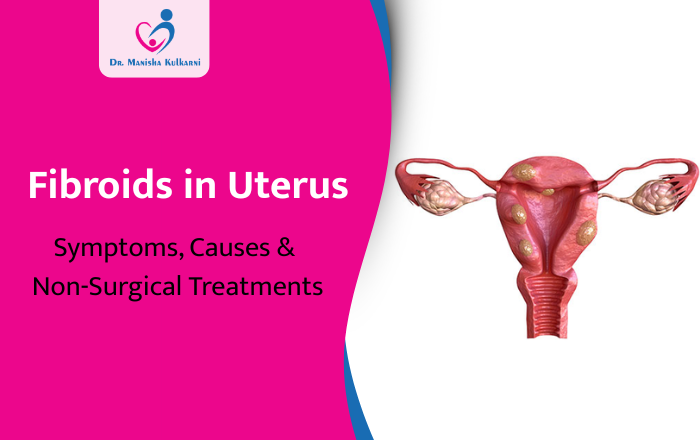
Uterine fibroids are non-cancerous growths that develop in or around the uterus. They are also called leiomyomas or myomas. Some women have just one, while others may have several of varying sizes.
There are four main types, based on where they grow:
- Intramural fibroids — grow inside the uterine wall (most common)
- Subserosal fibroids — grow on the outer surface of the uterus
- Submucosal fibroids — grow inside the uterine cavity
- Pedunculated fibroids — attached to the uterus by a thin stalk
The location of the fibroid often determines what symptoms a woman experiences — or whether she experiences any at all.
Common Symptoms of Fibroids in the Uterus
Many women live with uterine fibroids without ever knowing it. Others, however, face symptoms that significantly affect their daily lives. Here are the most common signs to watch for:
1. Heavy or prolonged menstrual bleeding — Soaking through pads quickly or having periods that last longer than 7 days is one of the most reported symptoms of fibroids in the uterus.
2. Pelvic pain and pressure — A persistent feeling of heaviness, bloating, or cramping in the lower abdomen is very common.
3. Frequent urination — When uterine fibroids press against the bladder, women may feel the urge to urinate more often, even at night.
4. Lower back or leg pain — Fibroids can press on nerves, causing pain that sometimes gets mistaken for a back problem.
5. Pain during intercourse — Depending on the fibroid’s location, some women experience discomfort during sex.
6. Constipation — Larger fibroids can press against the bowel, causing digestive discomfort.
7. Fertility challenges — In some cases, fibroids in the uterus can interfere with conception or increase the risk of miscarriage.
If you are experiencing any of these symptoms regularly, it is worth speaking to a gynecologist sooner rather than later.
What Causes Uterine Fibroids?
While the exact cause of uterine fibroids is not fully understood, several key factors are known to contribute:
- Hormones — Estrogen and progesterone fuel fibroid growth. This is why fibroids tend to shrink after menopause when hormone levels drop naturally.
- Genetics — If your mother or sister has had uterine fibroids, your chances of developing them are higher.
- Age — Women between the ages of 30 and 50 are most commonly affected.
- Diet and weight — A diet high in processed foods and low in fiber, combined with excess weight, may increase estrogen levels and raise the risk.
- Vitamin D deficiency — Some research suggests that low Vitamin D levels may be linked to fibroid development.
Non-Surgical Treatments for Fibroids
The idea of surgery can feel overwhelming, and the good news is that surgery is not always necessary. Several non-surgical treatments for uterine fibroids work well for many women:
- Medications — Hormonal treatments like birth control pills or hormonal IUDs can reduce heavy bleeding. GnRH agonists may temporarily shrink fibroids. Pain relievers like NSAIDs help manage cramps and discomfort.
- Uterine Fibroid Embolization (UFE) — This procedure blocks the blood supply to fibroids, causing them to shrink over time. It does not require surgery and has a shorter recovery period.
- Focused Ultrasound Surgery (FUS) — A non-invasive approach that uses sound waves to break down fibroid tissue. It is done as an outpatient procedure.
- Endometrial Ablation — Best suited for women with heavy bleeding who are not planning future pregnancies, this procedure targets the uterine lining to reduce blood flow.
- Lifestyle Changes — Eating an anti-inflammatory diet rich in fruits, vegetables, and whole grains, managing weight, reducing stress, and getting regular exercise can all support fibroid management in meaningful ways.
Take the First Step Toward Relief
Living with uterine fibroids does not have to mean living with constant pain, heavy bleeding, or worry. With the right guidance, most women find a treatment path that works well for their lifestyle and health goals.
If you are based in Pune and looking for trusted guidance, Dr. Manisha Kulkarni, a leading gynecologist for uterine fibroids treatment in Magarpatta and Hadapsar, is here to help. Known for her warm, patient-first approach, Dr. Kulkarni takes the time to understand your concerns, explain your options clearly, and help you make confident decisions about your health.
Address: Racemous Polyclinics, 5150, 5th Floor, Marvel Fuego, Magarpatta Rd, Hadapsar, Pune, Maharashtra 411036
Phone: 73978 42620
📞 Book your consultation today – because your health and comfort truly matter.
Frequently Asked Questions
Q: Are uterine fibroids cancerous?
No. Uterine fibroids are almost always benign. Cancerous transformation is extremely rare.
Q: Can fibroids disappear on their own?
Small fibroids may shrink after menopause, but symptomatic fibroids usually need treatment.
Q: Can I get pregnant if I have fibroids?
Yes, many women with uterine fibroids conceive naturally. However, larger or poorly positioned fibroids may need treatment before conception.
Q: How are fibroids diagnosed?
A pelvic ultrasound is the most common and straightforward way to detect fibroids in the uterus.
