
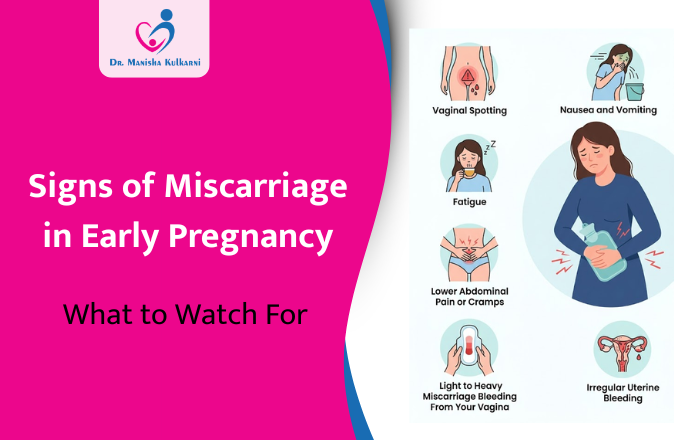
Finding out that you are pregnant can bring excitement, but it can also make every new symptom feel worrying. Spotting, cramps, abdominal discomfort, or changes in pregnancy symptoms may immediately raise the question: “Could this be a miscarriage?”
The good news is that not every episode of bleeding or cramping means a pregnancy is ending. Light bleeding can occur during early pregnancy, and some people with spotting go on to have healthy pregnancies. At the same time, certain symptoms should never be ignored because they can indicate miscarriage or another pregnancy complication that needs medical assessment.
Understanding the possible signs of miscarriage in early pregnancy can help you recognize when to contact your doctor and when urgent medical attention may be necessary.
What Are the Early Signs of Miscarriage?
The most common signs that may occur with an early miscarriage include:
- Vaginal spotting or bleeding
- Increasing abdominal or pelvic cramps
- Lower back pain
- Passing tissue or clots from the vagina
- A sudden gush of fluid from the vagina
- A noticeable change or loss of pregnancy symptoms in some cases
However, these symptoms alone cannot confirm a miscarriage. Some of them can also occur in otherwise normal pregnancies or with other conditions. A healthcare professional may need an ultrasound, blood tests, or an examination to determine what is happening.
1. Vaginal Bleeding or Spotting
Bleeding is one of the most commonly recognized signs of miscarriage in early pregnancy, but it does not automatically mean that a miscarriage has occurred.
Spotting may appear as small amounts of pink, red, or brown blood on toilet paper or underwear. Some women may experience light bleeding during early pregnancy for reasons unrelated to pregnancy loss. ACOG notes that bleeding during the first trimester occurs in around 15 to 25 out of 100 pregnancies.
Bleeding becomes more concerning when it is:
- Becoming heavier over time
- Accompanied by significant abdominal or pelvic pain
- Associated with passing tissue
- Accompanied by dizziness, weakness, or fainting
If you experience bleeding during pregnancy, particularly if it is more than light spotting, contact your obstetrician or gynecologist for advice.
Is spotting always a miscarriage?
No. Spotting in early pregnancy does not necessarily mean miscarriage.
Bleeding can have several causes, including cervical changes, infection, ectopic pregnancy, or early pregnancy loss. Because the causes can overlap, the amount and appearance of blood cannot reliably tell you whether the pregnancy is healthy.
2. Abdominal or Pelvic Cramping
Mild cramping can sometimes occur during early pregnancy. However, persistent or worsening cramps, particularly when they occur together with vaginal bleeding, deserve medical attention.
Miscarriage-related cramping may feel similar to strong menstrual cramps. Some people experience pain in the lower abdomen, pelvis, or lower back.
Pain alone does not prove a miscarriage. Early pregnancy pain can also occur for other reasons, including conditions that require urgent assessment.
3. Passing Tissue, Clots, or Fluid
Another possible sign is passing material through the vagina that looks different from ordinary menstrual blood.
This may include:
- Blood clots
- Pink, grey, or white tissue
- Stringy material
- A clear, fluid-filled sac
- A sudden release of fluid
Not every clot or unusual discharge means pregnancy tissue has been passed. If you notice tissue or a significant amount of material, contact your healthcare provider so it can be assessed appropriately.
4. Pregnancy Symptoms Suddenly Changing
Some people notice that symptoms such as nausea, breast tenderness, or fatigue become less noticeable before a miscarriage.
However, a reduction in pregnancy symptoms by itself is not a reliable way to diagnose miscarriage. Pregnancy symptoms naturally fluctuate, and some people have very few symptoms even when the pregnancy is progressing normally.
For this reason, do not assume that a change in nausea or breast tenderness means that a miscarriage has occurred. If you are concerned, speak with your doctor rather than trying to determine the pregnancy’s status from symptoms alone.
Miscarriage Symptoms vs. Symptoms That May Have Another Cause
| Symptom | What it may mean |
|---|---|
| Light spotting | Can occur in early pregnancy and does not always mean miscarriage |
| Vaginal bleeding with cramps | May occur with miscarriage, but requires medical assessment |
| Mild occasional cramps | Can occur during normal early pregnancy |
| Heavy bleeding | Needs prompt medical attention |
| Passing tissue | Can occur during miscarriage and should be assessed |
| Severe one-sided abdominal pain | May indicate an ectopic pregnancy and requires urgent assessment |
| Shoulder-tip pain with bleeding or abdominal pain | Can be an emergency warning sign |
| Dizziness, fainting, or severe weakness | Requires urgent medical attention |
The key point is that symptoms cannot reliably distinguish miscarriage from every other early pregnancy problem. Ectopic pregnancy, for example, can cause bleeding and abdominal pain and can become life-threatening if it ruptures.
When Should You Seek Urgent Medical Help?
Do not wait for symptoms to become severe if you are concerned about your pregnancy.
Seek urgent medical attention if you experience:
- Heavy vaginal bleeding
- Severe or worsening abdominal or pelvic pain
- Severe pain on one side of the abdomen
- Shoulder pain, particularly when combined with abdominal pain or bleeding
- Fainting or loss of consciousness
- Significant dizziness or weakness
- Fever or chills with abdominal pain or vaginal bleeding
- Foul-smelling vaginal discharge
- Heavy bleeding accompanied by feeling unwell
These symptoms can occur with serious complications, including significant blood loss, infection, or ectopic pregnancy.
If you have severe symptoms, do not drive yourself if you feel faint or unwell. Seek emergency medical care.
How Is a Miscarriage Diagnosed?
You cannot confirm a miscarriage simply by looking at the amount of bleeding or judging how severe the cramps feel.
Your gynecologist may use several methods to understand what is happening:
– Ultrasound
An ultrasound can help determine whether the pregnancy is developing normally and whether cardiac activity can be seen when the pregnancy is far enough along.
Sometimes an ultrasound performed very early in pregnancy may not provide a definite answer. A repeat scan may therefore be recommended rather than making a diagnosis too early.
– Blood tests
Your doctor may measure human chorionic gonadotropin (hCG), a hormone produced during pregnancy. Depending on the situation, hCG may be measured more than once to look at how the level changes over time.
A single hCG result may not always be enough to establish whether a pregnancy is viable.
– Pelvic examination
A healthcare professional may also examine the cervix and consider your symptoms, pregnancy history, and other findings.
The combination of your history, examination, ultrasound, and laboratory tests helps the doctor reach an accurate diagnosis.
What Causes an Early Miscarriage?
In many cases, miscarriage happens because the pregnancy is not developing normally, often because of chromosomal abnormalities in the embryo. This is generally not something the pregnant person caused or could have prevented.
Experiencing a miscarriage can be emotionally difficult, but it is important not to automatically blame yourself. Everyday activities are not usually the reason an early miscarriage occurs.
What Should You Do If You Think You May Be Having a Miscarriage?
If you notice spotting, bleeding, cramps, or other concerning symptoms:
- Contact your gynecologist or pregnancy care provider.
- Tell them how far along you are and describe your symptoms.
- Mention the amount and color of bleeding and whether you are passing clots or tissue.
- Tell them about any abdominal, pelvic, or shoulder pain.
- Follow their advice about examination, ultrasound, blood tests, or follow-up.
- Seek urgent care immediately if you develop severe pain, heavy bleeding, fainting, severe dizziness, or other emergency symptoms.
Avoid trying to confirm a miscarriage yourself based solely on symptoms found online.
A Final Word for Anyone Worried About Early Pregnancy Loss
Seeing blood during early pregnancy can be frightening, but bleeding does not automatically mean miscarriage. Some pregnancies continue normally despite early spotting or bleeding.
At the same time, bleeding accompanied by significant pain, heavy blood loss, fainting, shoulder pain, fever, or other concerning symptoms needs prompt medical attention.
The safest approach is not to guess what the symptoms mean. A qualified gynecologist can assess the situation and determine whether further testing or monitoring is needed.
Concerned About Early Pregnancy Symptoms? Speak With a Gynecologist
If you are experiencing bleeding, cramps, or other concerns during early pregnancy, consider discussing them with a qualified gynecologist rather than waiting for symptoms to settle on their own.
Dr. Manisha Kulkarni, Gynecologist & Obstetrician, has 16+ years of experience and practices in the Magarpatta Road, Hadapsar, Pune area. Her official website lists prenatal care, high-risk pregnancy management, and obstetric services among her areas of practice.
If you have severe pain, heavy bleeding, fainting, or feel seriously unwell, seek urgent medical care rather than waiting for a routine consultation.
Frequently Asked Questions
1. What are the most common signs of miscarriage in early pregnancy?
Common symptoms include vaginal bleeding, abdominal or pelvic cramping, lower back pain, and passing tissue or fluid. However, these symptoms do not confirm a miscarriage. Medical evaluation is needed for diagnosis.
2. Is bleeding during early pregnancy always a miscarriage?
No. Light bleeding or spotting can occur during early pregnancy for several reasons and does not necessarily mean pregnancy loss. However, any bleeding during pregnancy should be discussed with your healthcare provider, especially if it becomes heavy or is accompanied by pain.
3. What does miscarriage cramping feel like?
Miscarriage-related cramping may feel like strong menstrual cramps or pelvic pain and may occur with bleeding. However, cramping can also happen in normal pregnancy and other conditions, so the sensation alone cannot establish a diagnosis.
4. How much bleeding is concerning during early pregnancy?
Heavy bleeding is more concerning than light spotting, particularly when it occurs with significant pain, dizziness, weakness, or fainting. ACOG advises contacting an obstetrician or gynecologist when bleeding is heavy or accompanied by cramping pain.
Have questions? We’re just a message away! Contact us on WhatsApp — Click Here to Chat with Us
Name– Dr. Manisha Kulkarni – Gynecologist & Obstetrician
Address – Racemous Polyclinics, 5150, 5th Floor, Marvel Fuego, Magarpatta Rd, Hadapsar, Pune, Maharashtra 411036
Phone: 73978 42620
